
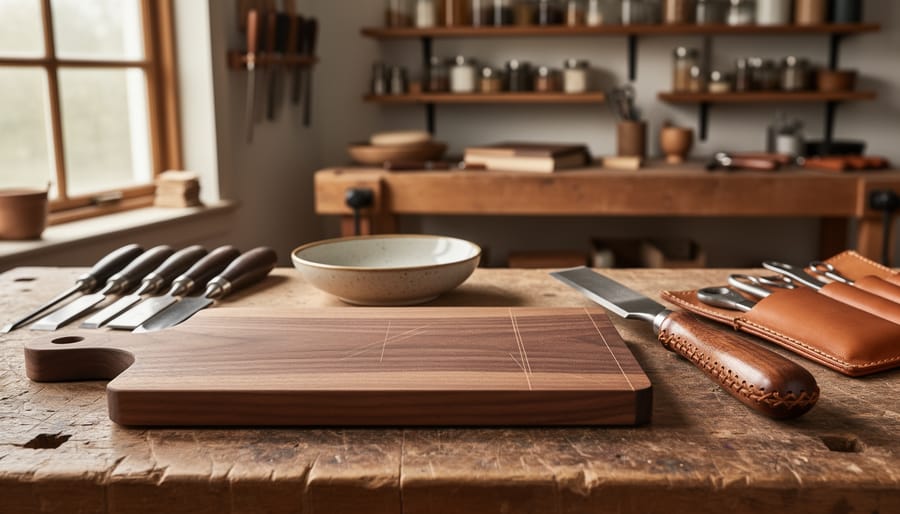
Collaborating with complementary artisan brands transforms your woodworking practice from a solitary craft into a thriving creative partnership that expands your skills, grows your audience, and opens doors to projects you couldn’t tackle alone. The strongest collaborations pair woodworkers with leather crafters, metal artisans, textile artists, ceramicists, glass workers, furniture makers with different specialties, home décor brands, sustainable material suppliers, local galleries, and craft beverage producers who share your commitment to handmade excellence.
These partnerships work because they solve a fundamental challenge every woodworker faces: how to offer customers complete, cohesive products without mastering every craft yourself. When you team up with a leather artisan to add custom handles to your tool boxes, or partner with a ceramicist to create complementary serving pieces for your wooden boards, you’re not just combining products. You’re building something neither of you could create alone while introducing your work to each other’s communities.
The artisan collaboration landscape in 2026 rewards authenticity and shared values over transactional exchanges. Your ideal partners care about craftsmanship quality, sustainable sourcing, and the story behind each piece just as much as you do.
Finding the right brands to collaborate with starts with understanding what makes a partnership mutually beneficial. You’re looking for artisans whose work naturally complements yours, who serve a similar customer base with aligned values, and who approach business with the same level of professionalism and passion you bring to your craft.
Why Artisan Collaboration Matters for Woodworkers
Partnership has always been at the heart of great craftsmanship. While you might picture the lone woodworker in a quiet shop, the truth is that most thriving artisans build their skills and businesses through collaboration. When you connect with makers in complementary crafts, you don’t just expand what you can create, you join a tradition of craftspeople who’ve always learned by working alongside one another.
Collaborating with other artisan brands delivers tangible advantages that accelerate your growth:
- Learn techniques outside woodworking that enhance your primary craft
- Share expensive tools and equipment to reduce individual costs
- Cross-promote to each other’s audiences and expand your customer base
- Tackle larger, more ambitious projects than you could alone
- Build accountability partnerships that keep you motivated and productive
- Access new sales channels through joint market booths and online collaborations
These benefits compound over time. Sarah Chen started as a hobbyist building cutting boards in her garage. After partnering with a local leather artisan to add custom handles to her boards, she gained exposure to an entirely new audience. That collaboration led to a metalworker reaching out about hardware for a furniture line, which evolved into a shared studio space with three other makers. Within two years, Sarah had transitioned from weekend hobbyist to full-time artisan with a waiting list of custom orders.
Marcus Webb tells a similar story. He struggled to differentiate his wooden serving platters in a crowded market until he collaborated with a ceramic artist on inlaid tile designs. The partnership not only created distinctive products but also taught Marcus surface preparation techniques he now uses across all his work. More importantly, he found a creative community that understood the challenges of building an artisan business.
The isolation of solo woodworking can drain your enthusiasm. Collaboration reignites that spark, reminding you why you fell in love with making things in the first place.
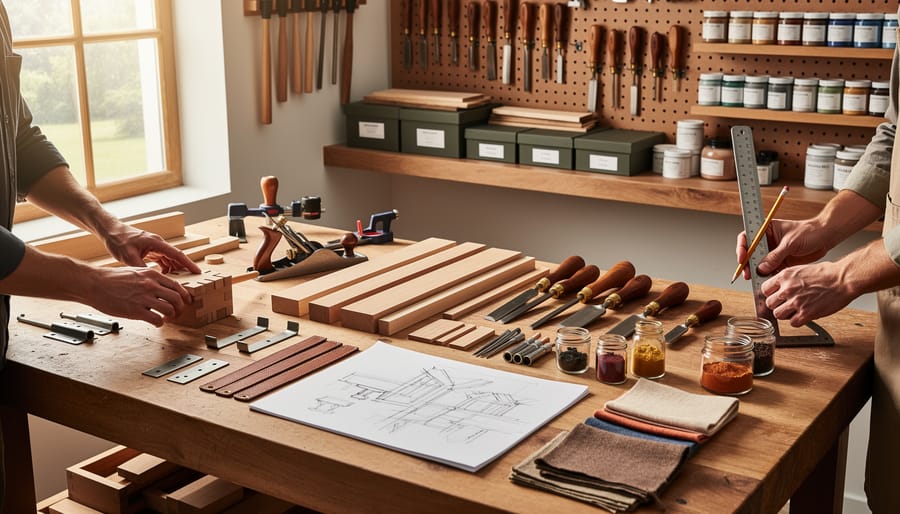
What to Look for in a Collaboration Partner
Finding the right collaboration partner can make the difference between a frustrating experience and a partnership that elevates both your craft and your business. Before you reach out to any artisan brand, take time to evaluate whether they’re truly a good fit for your woodworking practice.
Start with complementary skills that expand what you can create together. The best partnerships bring different expertise to the table, if you’re a furniture maker, look for metalworkers who can craft custom hardware, or textile artists who specialize in upholstery. You want partners whose abilities fill gaps in your own skillset rather than duplicate what you already do. This creates opportunities for truly unique pieces neither of you could produce alone.
Quality standards matter enormously. Your collaborator’s work becomes part of your reputation, so examine their craftsmanship closely. Do their finishes meet your standards? Are their construction methods sound? Can they deliver consistent results? Don’t compromise on quality just because someone’s enthusiastic about partnering.
Audience compatibility creates natural marketing synergy. Look for artisans whose customers overlap with yours but aren’t identical. A woodworker focusing on rustic farmhouse furniture pairs beautifully with a ceramicist making handthrown stoneware, since both appeal to people who value handmade goods but serve slightly different needs. This overlap means you can cross-promote without competing directly.
Collaborative spirit separates great partners from difficult ones. You want someone who communicates clearly, respects deadlines, shares credit generously, and approaches problems as a team. Pay attention to how potential partners respond to your initial outreach. Are they excited? Do they ask thoughtful questions? Or do they seem more interested in what you can do for them? Trust your instincts about working chemistry.
Finally, consider practical factors like geographic proximity for hands-on projects, similar production timelines, and compatible business models. A partner who operates on wildly different scales or timeframes will create constant friction no matter how talented they are.
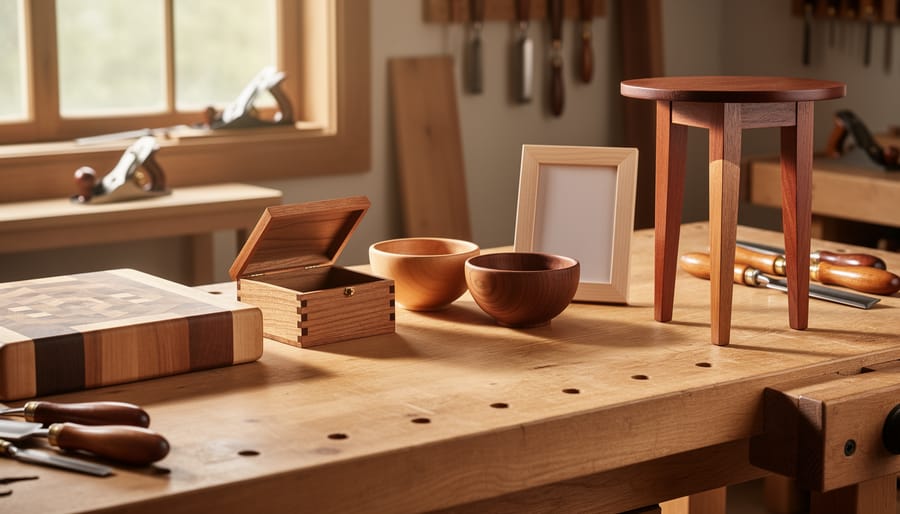
10 Artisan Brands Perfect for Woodworking Collaborations
1. Metalworking Studios
Metalworking studios offer woodworkers one of the most natural and visually striking collaboration opportunities. The contrast between warm wood and cool metal creates furniture pieces that feel both timeless and contemporary.
Think custom table legs, drawer pulls, hinges, and brackets that transform standard woodwork into showpieces. A skilled metal artisan can forge iron handles for your cutting boards, fabricate steel bases for live-edge tables, or weld decorative accents that complement your wood’s grain patterns.
These partnerships work beautifully because metal and wood solve each other’s weaknesses. Wood brings warmth and organic beauty, while metal provides structural strength and industrial elegance. Many metalworkers also share the maker mindset, understanding the patience required for handcrafted work.
Start by visiting local blacksmiths, welding studios, or metal fabricators. Look for artisans who work at similar quality levels and share your appreciation for lasting craftsmanship. The best collaborations happen when both materials shine equally.
2. Leather Craft Makers
Leather artisans bring warmth and tactile richness to woodworking projects that wood alone can’t achieve. Think custom leather drawer pulls on a walnut dresser, hand-stitched seats on dining chairs you’ve crafted, or leather straps that turn a simple wooden box into a portable tool carrier.
These collaborations work beautifully because leather and wood share similar aging characteristics. Both develop character over time, creating pieces that improve with use rather than deteriorate. A leather craftsperson can teach you about hide selection, edge finishing, and proper fastening techniques, while you share wood finishing secrets that complement leather tones.
Start small with a collaborative cutting board that features a leather hanging strap, or design knife handles together where your wood meets their wrapped leather grip. Many leather workers also need wooden display stands, creating natural exchange opportunities. The best partnerships happen when you both bring specialized skills to create something neither could make alone.
3. Ceramic and Pottery Artists
Ceramic and pottery artists bring organic curves and earthy textures that contrast beautifully with wood’s linear grain. Think charcuterie boards with custom ceramic dipping bowls nestled into routed recesses, or floating shelves designed specifically to showcase a potter’s collection. These collaborations shine in functional art, wooden serving trays with fitted ceramic inserts, planters that combine turned wood bases with hand-thrown pots, or kitchen utensil sets where wooden handles meet ceramic spoons.
The magic happens when you design pieces that highlight both materials. A potter who specializes in rustic stoneware pairs perfectly with reclaimed wood aesthetics, while a porcelain artist might inspire you to refine your joinery for cleaner, more modern pieces. Many ceramic artists also run kilns and understand the technical side of material behavior, making them excellent collaborative partners who appreciate precision craftsmanship. Start by visiting local pottery studios or craft markets where you can see their work firsthand and discuss how wood could enhance their ceramic pieces.
4. Textile and Fiber Artists
Textile and fiber artists bring softness and texture that perfectly complements wood’s natural warmth. Macramé wall hangings gain stunning visual impact when paired with custom wooden frames or dowel systems you craft. Weavers create chair seats, bench cushions, and headboard panels that transform your furniture pieces into cozy, personalized works of art.
These collaborations work beautifully because you’re solving the same problem from different angles, creating comfortable, beautiful spaces. A woodworker builds the structure; a fiber artist adds comfort and color. Together, you offer customers complete solutions they can’t find elsewhere.
Look for textile artists who share your commitment to natural materials and handmade quality. Hemp, organic cotton, and wool weavers align perfectly with sustainable woodworking values. Start small with a chair seat collaboration or wall art series, then expand into full furniture collections as you develop your workflow together.
5. Glass Blowing Studios
Glass and wood create one of the most striking visual contrasts in artisan work. Glass blowing studios offer collaboration opportunities that can transform your woodworking projects from functional pieces into conversation-starting art.
Think about custom pendant lights where your hand-turned wooden bases meet hand-blown glass shades. Or consider serving boards with small blown glass bowls nested into routed sections. I’ve seen woodworkers partner with glass artists to create stunning cabinet door insets, drawer pulls with glass accents, and decorative panels that let light dance through furniture pieces.
The technical collaboration here is fascinating too. You’ll learn about thermal expansion rates when combining materials, and glass artisans often appreciate understanding wood movement. Many studios welcome joint workshops where you can demonstrate joinery while they show the magic of shaping molten glass.
Start by visiting local glass studios during their open house events. Bring photos of your work and be ready to discuss how transparent, translucent, or colored glass could enhance your designs.
6. Natural Dye and Finish Makers
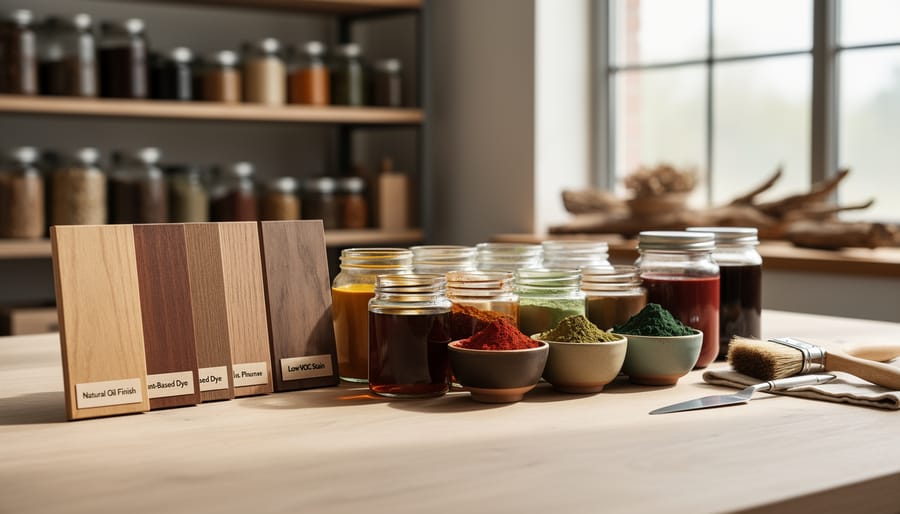
Working with natural dye and finish makers connects you with artisans who share your commitment to sustainable craftsmanship while offering wood treatments you won’t find at big-box stores. These partnerships bring authenticity to your work through finishes made from plant-based oils, beeswax, tree resins, and botanical dyes that enhance grain without toxic chemicals.
Collaborating with finish makers opens possibilities beyond standard products. You might co-develop custom stain colors for a furniture line, create finishing kits that pair with your projects, or host workshops teaching traditional finish techniques. Many finish artisans document their ingredient sourcing and production methods, which adds storytelling depth to your collaborative pieces.
These partnerships particularly resonate with customers seeking non-toxic, environmentally responsible furniture and home goods. When you can explain that your cutting board’s finish comes from locally harvested walnut hulls or that your chair’s protective coat uses wild-harvested beeswax, you’re not just selling wood, you’re sharing a complete philosophy of conscious creation that transforms both maker and buyer.
7. Stone and Tile Artisans
Stone and tile artisans bring durability and visual drama to woodworking projects. These partnerships shine in cutting boards where marble or slate inlays create heat-resistant zones for hot pots, or in countertops that blend warm wood edges with cool stone surfaces. Mixed-material furniture pieces, like coffee tables combining walnut frames with polished granite centers, attract buyers seeking unique, high-end pieces.
Look for stone workers who understand the structural challenges of joining materials with different expansion rates. The best collaborators share technical knowledge about adhesives, joinery methods, and weight distribution. Many stone artisans also work with concrete, opening creative possibilities for modern industrial-style pieces.
Start conversations around complementary skills: you handle intricate woodwork and joinery while they tackle precision stone cutting and polishing. These partnerships often lead to commissioned work neither craft could land alone, with price points reflecting the combined expertise.
8. Paper and Print Makers
Paper and print makers offer woodworkers creative opportunities that extend far beyond the workshop. These artisans specialize in letterpress, screen printing, bookbinding, and handmade paper, skills that complement wooden products beautifully.
Consider collaborating on custom packaging for your finished pieces. A letterpress artist can design elegant tags or boxes that match the quality of your craftsmanship. These branded touches transform a simple sale into a memorable unboxing experience that customers share on social media.
Wood-backed prints create another powerful partnership. Your carefully finished boards become canvases for limited-edition artwork, maps, or typography. The collaboration appeals to both your audiences while showcasing how traditional crafts intersect.
Print makers also excel at developing cohesive brand identities. Partner on business cards, workshop signage, or catalog designs that reflect your dedication to handmade quality. Many print artisans share your values around sustainability, often using recycled materials and non-toxic inks that align perfectly with eco-conscious woodworking practices.
9. Resin Artists
Resin artists bring a modern edge to traditional woodworking, opening doors to stunning projects that blend natural wood grain with flowing, glossy epoxy. River tables, those showstopping pieces where translucent resin fills a gap between two wood slabs, have exploded in popularity, and collaborating with a skilled resin artisan means you can focus on the wood while they handle the chemistry and color mixing.
Beyond furniture, resin collaborations shine in smaller items. Think wooden coasters with embedded flowers, jewelry that combines tiny wood offcuts with colorful resin swirls, or wall art where burls and resin create abstract landscapes. These partnerships work because they’re complementary: you bring the wood selection and joinery skills, they bring expertise in curing temperatures, pigment ratios, and achieving that glass-like finish.
Many resin artists also share your commitment to quality materials, look for partners who use low-VOC epoxy and sustainable practices. Start conversations at maker markets or online craft communities. A test project like charcuterie boards with resin accents helps you both learn each other’s workflow before tackling that dream river table commission together.
10. Local Tool Makers and Sharpeners
Your local tool makers and sharpeners represent some of the most valuable collaboration partners you’ll find. These artisans understand woodworking at its core because they serve the community daily, and they’re often eager to connect with fellow craftspeople.
Partner with tool sharpeners to offer joint workshops where you demonstrate projects while they teach proper tool maintenance. This creates immediate value for both audiences. Many tool makers also craft specialty items like marking gauges or hand planes that complement your finished work beautifully in social media posts and shop tours.
Consider hosting quarterly “sharp skills” events at your workshop or theirs, alternating locations to share audiences. You teach joinery techniques while they handle the sharpening station. Cross-promote each other’s services through referrals, when customers ask where you get your tools serviced, you have a trusted recommendation.
These relationships often evolve into genuine friendships with people who truly understand the craft, creating a support network that extends far beyond business.
How to Reach Out and Start a Collaboration
The first conversation matters more than your portfolio. Start by researching the artisan brand thoroughly, follow their social media, understand their aesthetic, and identify where your woodworking naturally complements their craft. When you reach out, skip the formal business letter. Send a direct message or email that shows you’ve paid attention: “I love how you combine indigo dye with natural fibers. I’ve been working on ash picture frames that would showcase textile art beautifully.”
Lead with collaboration, not transaction. Instead of asking what they can do for you, propose a specific project that benefits both parties. “What if we created a limited collection of framed fiber art where we split the pieces and cross-promote to our audiences?” This approach demonstrates you’ve thought beyond your own needs.
Start small and prove the partnership works. Your first collaboration doesn’t need to be a full product line. Propose a single piece, a joint workshop, or a social media takeover where you showcase each other’s process. These low-risk projects let you test working styles and build trust before committing to larger ventures.
Be transparent about logistics from the beginning. Discuss how you’ll split costs, share profits, handle shipping, and credit each other’s work. Put the basics in writing, even if it’s just an email you both agree to. Clear expectations prevent misunderstandings that kill promising partnerships.
Follow up consistently but respectfully. If someone doesn’t respond immediately, they’re probably buried in their own craft. Send a friendly check-in after two weeks. If they’re not interested, thank them and move on. The best collaborations happen when both artisans genuinely want to create together, not when one party feels pressured into participating.
Common Questions About Artisan Collaborations
Starting your first artisan collaboration brings up practical questions about how these partnerships actually work. Here are clear answers to the concerns woodworkers most often face when considering collaborative projects.
How should we split profits on collaborative pieces?
Most artisans divide profits based on material costs plus time invested, typically 50/50 for equal contributions or adjusted percentages when one partner provides more materials or labor. Document your agreement before starting to avoid confusion later.
How do we handle credit and promotion for collaborative work?
Both makers should be credited equally on social media posts, product listings, and any promotional materials. Tag each other in posts and clearly state the collaboration, which expands both audiences.
What if we disagree about the final design or direction?
Set clear expectations upfront about design approval and decision-making. Many successful collaborators agree that the primary maker has final say on their craft portion, while major design changes require mutual agreement.
Where can I find local artisans to collaborate with?
Check craft fairs, maker spaces, local art galleries, and social media groups focused on your area. Many cities have artisan collectives or shared studio spaces where multiple crafters work side by side.
The best collaborations start with honest conversations about expectations. Before diving into a project, discuss timelines, who owns which tools and materials, how you’ll photograph the finished piece, and whether this is a one-time collaboration or the start of an ongoing partnership. Some woodworkers draft simple one-page agreements for larger projects, though many successful partnerships run on handshake deals built through smaller test projects first. The key is communicating openly about concerns before they become problems, which builds trust and makes future collaborations smoother.
Collaboration turns your woodworking from a solitary craft into a shared journey. When you partner with metalworkers, leather artisans, or ceramic makers, you’re not just expanding what you can create, you’re joining a community that lifts everyone higher.
Every master woodworker you admire built their reputation through connections. They learned from others, shared techniques, and created pieces that none of them could have made alone. That same path is open to you right now.
This week, pick one artisan brand that resonates with your style. Send that email. Make that call. Propose a simple first project. The worst they can say is no, but the best outcome could change your entire woodworking trajectory.
Start small. A joint Instagram post. A collaborative cutting board design. One workshop together. These modest beginnings often grow into partnerships that define your craft for years to come.
The joy of woodworking multiplies when you share it. Your next breakthrough might come from a potter down the street or a metalworker across town. Reach out today and discover what you can build together.