
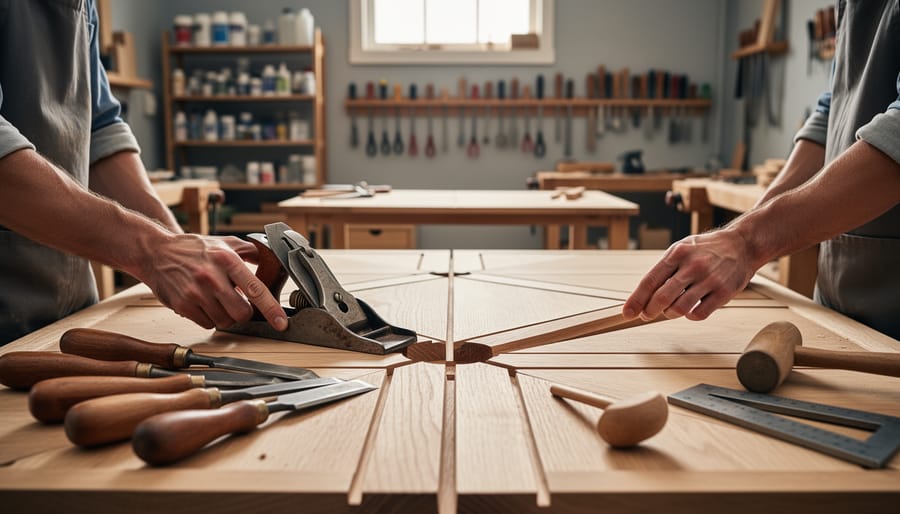
An artisan co-op is a member-owned business where woodworkers and craftspeople share workspace, tools, expenses, and decision-making power to build sustainable creative careers together. Unlike working solo in a cramped garage or renting expensive studio space alone, co-op members pool resources to access professional-grade equipment, commercial workspace, and collective marketing strength while maintaining creative independence over their individual craft.
The model works because it transforms the biggest obstacles facing independent artisans into shared solutions. That $3,000 table saw? Split among eight members. Health insurance? Negotiated as a group. A storefront location? Suddenly affordable when everyone chips in. More importantly, you gain a community of skilled craftspeople who understand your challenges, celebrate your wins, and push your skills forward through daily interaction and collaboration.
For woodworkers feeling isolated in their craft or stretched thin by the business side of things, co-ops offer a third path between working alone and giving up independence to join someone else’s shop. The structure has helped countless makers transition from weekend hobbyists to full-time artisans by reducing overhead costs by 40-60% compared to solo operations while creating accountability systems that keep projects moving forward.
The catch? Co-ops demand commitment. You’re not just renting space; you’re co-owning a business with people who count on you to show up for meetings, maintain shared equipment, and contribute to collective success. When it works, though, the transformation can be remarkable. Members develop new skills faster, take on bigger commissions, and build the kind of thriving craft business that seemed impossible alone.
What Exactly Is an Artisan Co-op?
An artisan co-op is a business owned and run by the craftspeople who work there. Instead of one person calling all the shots and taking all the profits, everyone who’s part of the co-op shares ownership, responsibilities, and the financial rewards that come from your collective work.
Think of it like this: Rather than renting workshop space from a landlord or working for someone else’s furniture company, you and fellow woodworkers pool your resources to create something you own together. You’re not employees and you’re not solo freelancers competing against each other. You’re co-owners building a shared enterprise.
Here are the fundamental concepts that define how artisan co-ops work:
- Member-Ownership
- Every artisan in the co-op owns an equal stake in the business, regardless of how much money they contributed initially. Your ownership comes from your active participation and membership, not from buying shares.
- Shared Resources
- The co-op collectively owns tools, equipment, workshop space, and other assets that all members can access. This makes expensive machinery affordable and reduces the burden of maintaining everything alone.
- Democratic Decision-Making
- Major decisions follow co-operative democratic member control principles, where each member gets one vote regardless of seniority or investment. You have real say in how the business operates.
- Profit-Sharing
- After covering expenses and setting aside reserves, remaining profits are distributed among members based on their participation or contribution, not on how much capital they own.
What sets co-ops apart from traditional woodworking businesses is this member-centered approach. You’re not working to make someone else wealthy while you collect a paycheck. The success you build together comes back to benefit everyone who contributed to creating it. For craftspeople who value both independence and community, this model offers a genuine alternative to going it completely alone or surrendering control to outside investors.
The Real Benefits of Joining Forces with Fellow Woodworkers
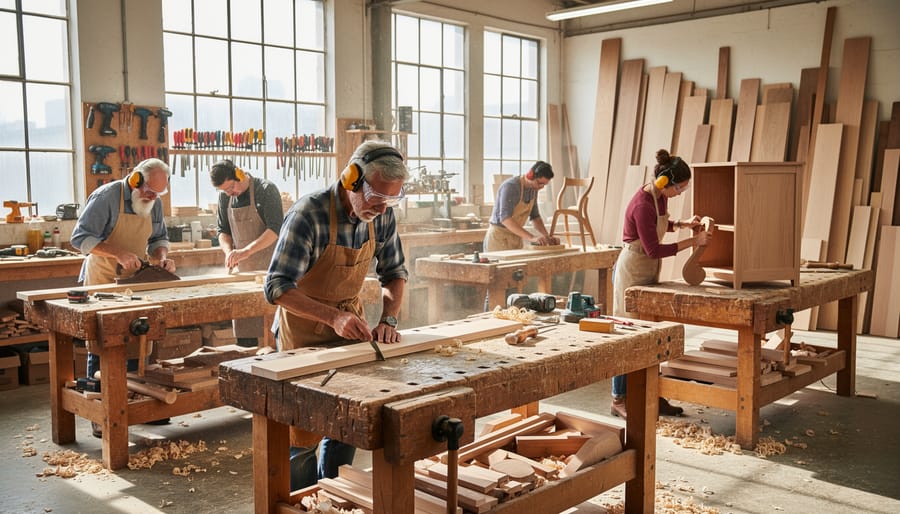
Sharing Resources Without Losing Your Creative Independence
One of the biggest fears woodworkers have about joining a co-op is losing their unique style in a sea of shared decisions. Will you be pressured to make rustic farmhouse tables when your passion is sleek mid-century modern pieces? The good news: healthy co-ops thrive on creative diversity, not uniformity.
Think of it like a shared commercial kitchen where each chef cooks their signature dishes. You’re sharing the space and equipment, not the recipes or vision. Your bandsaw time belongs to your project, crafted your way. The difference is that when you hit a design roadblock, there’s someone nearby who might suggest an approach you hadn’t considered, not to change your style but to help you achieve it better.
Successful co-ops establish clear boundaries from the start. Members agree on shared responsibilities like workshop maintenance and tool purchases, while individual projects remain entirely under each artisan’s control. You choose your commissions, set your prices, and maintain your brand identity. The co-op handles overhead and creates opportunities like woodworking collabs that would be harder to land solo.
Many woodworkers discover their creative voice grows stronger in a co-op environment. Watching others work expands your technical vocabulary without diluting your artistic perspective. You absorb new joinery methods or finishing techniques, then apply them in ways that express your unique vision. That’s collaborative growth, not creative compromise.
From Isolated Craftsperson to Supported Community Member
Working alone in your garage or basement workshop can feel like you’re operating in a vacuum. You solve every problem yourself, celebrate victories with no one, and wonder if anyone else struggles with the same stubborn techniques you’re battling. This isolation chips away at motivation, especially when you hit those inevitable plateaus where progress seems to stall.
Then something shifts when you join a co-op. Suddenly, you’re walking into a space where someone notices the dovetails you spent three weekends perfecting. Another member shares a jig that solves that clamping problem you’ve wrestled with for months. You overhear a conversation about wood movement that answers questions you didn’t even know to ask.
The transformation isn’t just about having people around. It’s about becoming part of a network where knowledge flows naturally. That experienced furniture maker who’s been doing this for twenty years? She remembers being exactly where you are now, and she’s genuinely interested in helping you move forward. The relative newcomer working at the bench next to you might know a finishing technique you’ve never encountered.
You start taking creative risks you’d never attempt alone because you know there’s support if something goes wrong. Projects become more ambitious. Your skills accelerate because you’re learning from multiple perspectives instead of just trial and error. Most surprisingly, you find yourself becoming the person offering advice to someone else, realizing how much you’ve grown along the way.
How Artisan Co-ops Actually Work in Practice
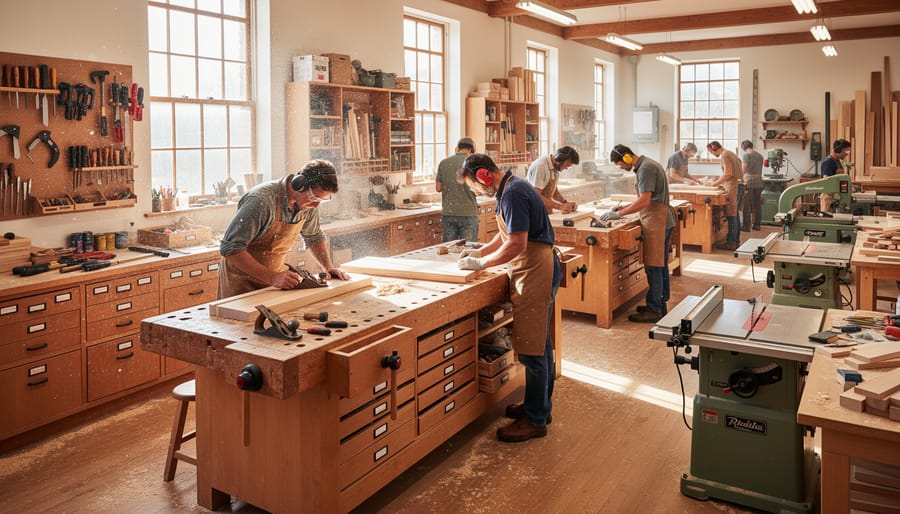
Making Decisions Together (Without Endless Meetings)
The secret to effective co-op decision-making isn’t having fewer meetings, it’s having smarter ones. Successful woodworking co-ops establish clear decision-making tiers that match the importance of what’s being decided. Minor choices like supply reorders or workshop cleaning schedules don’t need full-group votes; designate rotating point people who handle these efficiently. Save collective discussion for the big stuff: major equipment purchases, new member admissions, or changes to your operating agreement.
Many thriving co-ops adopt a consent-based model rather than pure consensus. In consent-based governance, a proposal moves forward unless someone raises a serious objection (not just a preference). This respects minority voices while preventing one person from blocking progress over minor disagreements. Following established governance best practices helps formalize this approach without adding bureaucracy.
Set realistic meeting schedules that honor your members’ time. Monthly business meetings with clear agendas, strict time limits, and rotating facilitators keep things moving. Use shared digital tools between meetings for updates, questions, and simple decisions that don’t require face-to-face discussion. The goal is collaboration that energizes rather than drains your creative work.
Splitting Costs and Sharing Success
The financial side of a co-op doesn’t have to feel like advanced accounting. Most woodworking co-ops keep things surprisingly simple once you understand the basic framework.
Typically, members contribute an initial buy-in that covers startup costs like securing workshop space, purchasing shared machinery, or building communal storage. This might range from a few hundred to several thousand dollars, depending on the co-op’s scale. Some groups allow payment plans to make entry more accessible.
Monthly dues then cover ongoing expenses: rent, utilities, insurance, and tool maintenance. These are usually split equally among members, though some co-ops adjust contributions based on workspace usage or income levels. The key is agreeing upfront on what’s fair for your specific group.
Revenue distribution varies widely based on your model. In production co-ops where members create products together, profits get divided according to hours worked or an agreed formula. If you’re maintaining individual businesses while sharing space, you keep what you earn from your own projects but chip in for collective expenses.
Many co-ops create a reserve fund from a percentage of profits or dues, building a financial cushion for equipment repairs or unexpected costs. This prevents emergency assessments that could strain members.
The beauty of co-op finances is transparency. Everyone sees where money goes, participates in budgeting decisions, and knows exactly what they’re getting for their investment.
Starting Your Own Woodworking Co-op: Where to Begin
Finding Your Co-op Founding Members
Finding the right people to launch a co-op with matters more than having a perfect business plan. Start by reaching out within your existing network, that woodworker who always stops to chat at the lumber yard, or the person whose Instagram projects you genuinely admire. Local woodworking guilds and maker spaces are goldmines for meeting potential co-founders who already share your passion.
Don’t just look for technical skill matches. You need people who communicate honestly, show up consistently, and get excited about collective success rather than individual glory. Host a casual “exploratory meetup” at a coffee shop or workshop to discuss what everyone wants from a co-op without any pressure to commit.
Consider that your founding group might benefit from diverse skill sets, maybe you excel at joinery while someone else understands brand collaboration and marketing. Chemistry counts as much as capability. If your trial conversations feel draining rather than energizing, that’s valuable information. The best co-ops form when people share core values about craftsmanship, community, and how they want to work together, not just what they want to build.
The Legal Stuff (Made Simple)

Starting a co-op means dealing with paperwork, but it’s less scary than you think. You’ll need to choose a business structure, most woodworking co-ops register as cooperatives or LLCs, depending on your state’s laws. Each option affects how you handle taxes, liability, and decision-making power.
Insurance matters more than you might expect. General liability coverage protects if someone gets hurt in your shop, while product liability covers items you sell. Property insurance safeguards your shared tools and workspace. These aren’t optional extras, they’re what keep your venture sustainable when accidents happen.
You’ll also need a solid operating agreement that spells out everyone’s responsibilities, how profits get divided, what happens if someone leaves, and how you’ll resolve disagreements. Think of it as your co-op’s rulebook that protects friendships when business gets complicated.
Don’t try navigating this alone. A lawyer who understands cooperative businesses can save you from expensive mistakes down the road. Yes, legal fees feel like a big upfront cost, but getting the foundation right means fewer headaches later. Many areas have small business development centers that offer free initial consultations to help you figure out what you actually need.
Setting Up Your Shared Workshop Space
Your shared workshop space needs to balance practicality with inspiration while keeping everyone safe and productive. Start by mapping out zones for different activities, dusty table saw work shouldn’t happen next to finishing stations. Install adequate lighting everywhere, especially at workbenches where detail work happens. Invest in serious dust collection from day one; respiratory health matters more than any single tool purchase.
Create clear storage systems where each member knows exactly where to find (and return) shared tools and materials. Color-coded bins, labeled shelving, and tool shadow boards prevent the frustration of missing equipment. Design traffic flow so woodworkers can move lumber and projects without creating bottlenecks or safety hazards.
Don’t forget comfortable common areas for planning sessions, lunch breaks, and informal skill-sharing conversations, these spaces build the community bonds that make co-ops thrive beyond just shared rent.
Real Success Stories from the Woodworking Co-op World
When you see real co-ops thriving, the concept shifts from theory to possibility. Take the Portland Furniture Collective, where seven woodworkers transformed a struggling warehouse district shop into a bustling showcase of custom furniture. Each member maintains their distinct style, one specializes in mid-century modern chairs, another in rustic farmhouse tables, but they share the overhead, the industrial planer, and the customer base. What started as individual artisans barely covering rent became a destination where clients browse multiple makers under one roof.
Across the country in Asheville, the Mountain Makers Co-op took a different approach. Twelve craftspeople pooled resources to purchase a retiring cabinetmaker’s entire shop, including his client list. They didn’t just split equipment costs; they mentored each other through skill gaps. The furniture maker taught joinery techniques to the sign carver, who shared finishing secrets with the turning specialist. Within two years, members reported income increases averaging 40% while working fewer solo hours grinding on marketing.
Then there’s the Philadelphia Workshop Commons, which proves co-ops work even in expensive urban markets. Five woodworkers leased a former auto body shop and converted it into specialized zones, a dust-heavy milling area, a quiet hand-tool corner, a spray booth they all share on rotating schedules. They also collab with artisan brands for wholesale partnerships none could’ve landed individually, leveraging collective volume for better terms.
These aren’t fairy tales. Each co-op faced near-collapse moments, personality clashes, cash flow crunches, members who didn’t pull their weight. But they worked through conflicts with clear agreements and honest conversations. The transformation from isolated craftspeople to supported community members didn’t happen overnight, yet every founder says they’d never return to working completely alone.
Common Challenges (And How to Navigate Them)
No collaborative venture runs perfectly smooth all the time, and artisan co-ops face their share of bumps. The good news? Most challenges have workable solutions when you approach them with openness and a commitment to your shared goals.
Personality clashes top the list of potential friction points. When you’re sharing space daily with other woodworkers, different work styles and communication preferences will surface. One member might blast music while another needs silence to concentrate. Someone works best starting at dawn while another hits their stride in the evening. These aren’t dealbreakers, though. Regular check-ins create space to voice concerns before they fester. Establishing clear studio etiquette from day one helps too. Many successful co-ops schedule quarterly reviews where members candidly discuss what’s working and what needs adjustment.
Financial pressures can strain even the strongest partnerships. A member struggling to make their monthly contribution might feel embarrassed, while others feel resentful about covering the gap. Transparent financial planning prevents most money conflicts. Build a reserve fund for slow seasons, agree on payment schedules everyone can realistically meet, and decide in advance how you’ll handle members who fall behind. Some co-ops create tiered membership levels with different financial commitments, making participation accessible to woodworkers at various income stages.
Unequal effort is another common sticking point. When one person consistently handles administrative tasks or cleans the shop while others focus solely on their craft, resentment builds quickly. Rotating responsibilities keeps things fair. Create a visible task chart and rotate duties monthly. If someone genuinely hates bookkeeping but excels at client communication, formalize those trade-offs so everyone contributes meaningfully in ways that match their strengths.
The key to navigating these challenges? Address issues early, assume positive intent, and remember why you joined forces in the first place.
Is an Artisan Co-op Right for Your Woodworking Journey?
Deciding whether to join or start an artisan co-op isn’t a one-size-fits-all choice. It’s deeply personal, tied to how you work best, what you value most in your craft, and where you are in your woodworking journey right now.
Start by asking yourself some honest questions. Do you thrive on collaboration, or do you need long stretches of solitary work to stay creative? Are you comfortable sharing decision-making, or do you prefer complete control over your business choices? Can you commit regular time not just to your own projects, but to the co-op’s needs and growth? Your answers reveal whether the collaborative model energizes you or feels like a constraint.
Consider your current situation too. If you’re struggling with equipment costs, lacking peer feedback, or feeling isolated in your workshop, a co-op might address those pain points directly. But if you’re already juggling multiple commitments or prefer keeping your creative process entirely independent, the structure might add stress rather than support.
How much time does co-op membership actually require?
Most co-ops expect 5-10 hours monthly beyond your own work, including meetings, shared space maintenance, and collaborative projects. Time commitment varies by co-op structure and size.
What if I don’t get along with other members?
Start with a trial period if possible, and look for co-ops with clear conflict resolution processes. Personality fit matters as much as skill alignment.
Can I participate without full membership?
Many co-ops offer associate memberships, workshop access only, or project-based collaboration before you commit fully.
Think about your five-year vision. Where do you want your woodworking to take you? If you dream of sustainable full-time craftsmanship, teaching others, or build relationships in 2026 that amplify your work, a co-op provides infrastructure for those goals. If you prefer woodworking as a meditative solo practice or side pursuit, you might find what you need elsewhere.
There’s no wrong answer here. Some woodworkers flourish in collaborative environments, while others do their best work independently. Trust your instincts about what feels right for this stage of your journey.
The journey from solo woodworker to thriving co-op member isn’t just about sharing tools or splitting rent. It’s about discovering that your craft grows stronger when you stop trying to do everything alone. Throughout this article, we’ve explored how artisan co-ops create spaces where individual creativity flourishes alongside collective support, where challenges become learning opportunities shared among friends, and where sustainable careers emerge from genuine collaboration.
You’ve seen how co-ops transform isolated craftspeople into confident community members, how they make professional-grade equipment accessible to those just starting out, and how they turn the vulnerable solo artist model into something more resilient and joyful. Whether you’re exhausted from shouldering every business burden yourself or simply curious about what collaborative craftsmanship might offer, there’s likely a co-op path that fits your situation.
The woodworking co-ops succeeding today started exactly where you are now: with one person wondering if there might be a better way to build their creative life. They found fellow artisans who shared that question, and together they built something none of them could have created alone.
Your woodworking journey doesn’t have to be a solitary struggle. The community you need might be waiting for someone like you to reach out and start the conversation. What will you build together?