
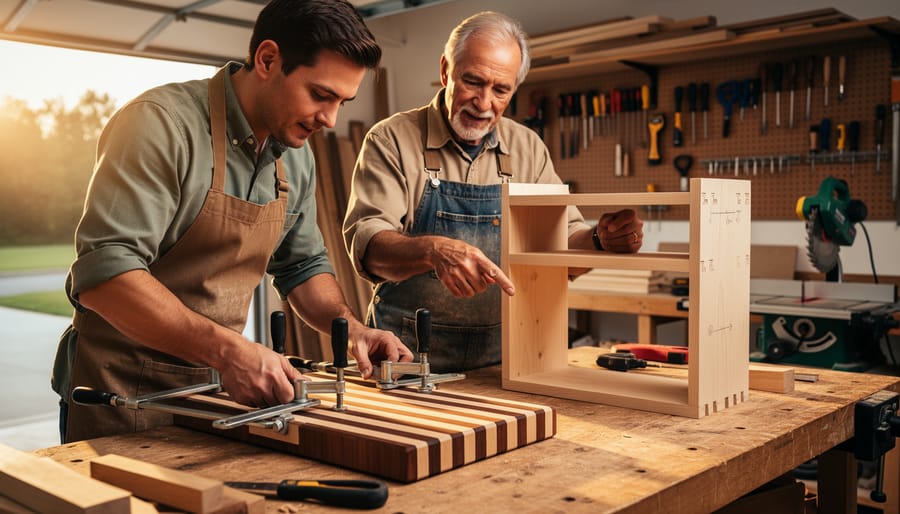
Join r/beginnerwoodworking and r/woodworking today—these communities have helped thousands transform from nervous first-timers holding a saw backwards into confident craftspeople building beautiful furniture. You’ll find daily project posts from people just like you, many sharing their very first cutting board or bookshelf alongside encouragement that proves you don’t need fancy tools or years of experience to start creating.
Search “first project” in these subreddits to see real beginners documenting their journey from planning to completion, complete with mistakes, lessons learned, and triumphs that’ll inspire your own first build. The comment sections become free mentorship sessions where experienced woodworkers offer specific solutions to problems you’re likely facing right now—wobbly joints, tearout issues, or choosing between pocket holes and dowels.
Reddit’s voting system naturally surfaces the best advice while burying outdated or dangerous techniques, giving you quality-filtered information that traditional forums can’t match. You’ll discover tool recommendations tested by actual hobbyists working in garage workshops, not sponsored influencers, plus honest reviews that’ll save you hundreds on equipment purchases.
However, Reddit’s scattered format means you’ll piece together knowledge from dozens of posts rather than following a clear progression from fundamentals to advanced techniques. Success comes from combining Reddit’s community support and real-world inspiration with structured learning that builds skills systematically. This hybrid approach lets you celebrate small wins with supportive strangers while developing proper techniques that prevent expensive mistakes and workshop injuries.
What Makes Reddit’s Woodworking Communities So Special for Newbies
Reddit’s woodworking communities have something truly magical that sets them apart from traditional learning platforms: they’re refreshingly human. When you post a question at 10 PM because you’re stuck on a project, there’s a good chance someone will respond within the hour. This real-time connection creates a safety net for beginners who need quick guidance before making an expensive mistake or feeling completely lost.
What really makes these communities shine is the culture of radical honesty mixed with genuine encouragement. Unlike Instagram where everyone shows their picture-perfect builds, Reddit woodworkers share their spectacular failures alongside their successes. You’ll find stories titled “I just ruined $200 worth of walnut” followed by dozens of comments from experienced makers sharing their own catastrophic mistakes. This normalizes the learning process in a way that feels incredibly freeing for newcomers who worry they’re the only ones struggling.
The feedback culture is another game-changer. Post a photo of your wobbly first cutting board, and you’ll get specific, actionable advice without condescension. Community members genuinely want to see you improve. They’ll point out what went wrong with your joinery while celebrating that you actually finished a project. This balance between constructive criticism and encouragement helps beginners develop confidence without developing bad habits.
Perhaps most importantly, Reddit’s woodworking spaces operate on a beautiful principle: there are no stupid questions. The upvote system naturally surfaces helpful responses, and toxic gatekeeping gets quickly shut down by moderators and community members alike. You’ll see professionals with decades of experience patiently explaining the difference between crosscut and rip cuts to someone who just bought their first saw.
This supportive atmosphere transforms what could be an intimidating hobby into an accessible journey. You’re not just learning woodworking; you’re joining a community of makers who remember what it felt like to be exactly where you are now.
The Best Reddit Woodworking Spaces to Join Right Now
Reddit’s woodworking communities are treasure troves of knowledge, inspiration, and support that can genuinely transform your journey from curious beginner to confident creator. Let me walk you through the spaces where you’ll find the most welcoming communities and valuable resources.
Start with r/BeginnerWoodWorking, your new best friend in the woodworking world. This community was literally created for people just like you, with over 400,000 members who remember what it felt like to make that first uncertain cut. What makes this space special is the celebration of imperfection. Members share their mistakes openly, which means you’ll learn what not to do before you waste expensive lumber. The weekly question threads are gold mines where no question is too basic, and experienced woodworkers genuinely enjoy helping newcomers troubleshoot problems.
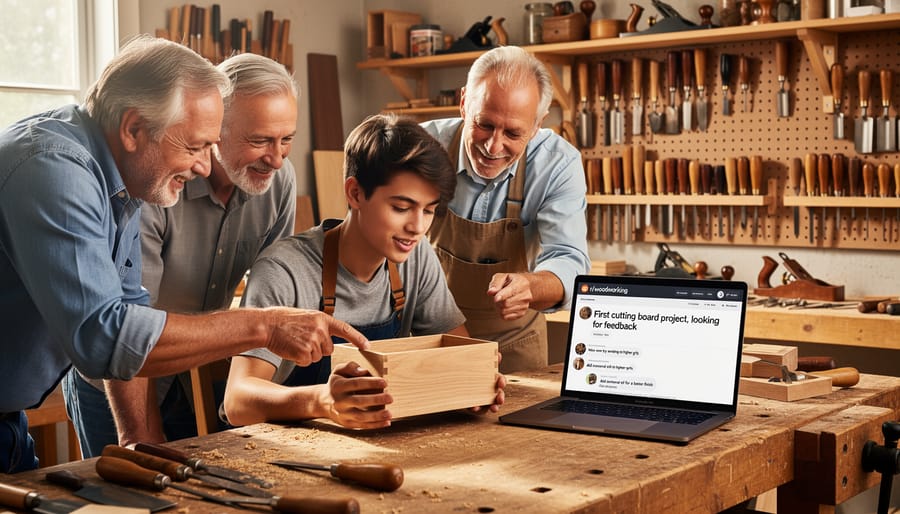
Once you’ve got a few projects under your belt, r/woodworking becomes your next destination. With millions of members, this larger community showcases everything from beginner triumphs to professional masterpieces. Don’t let the skill range intimidate you. Posting your first cutting board here often generates incredibly supportive feedback and practical suggestions for improvement. The key is being upfront about your experience level in your posts.
For project inspiration, r/woodworkingplans is absolutely essential. This community shares free and paid plans, discusses modifications for different skill levels, and helps you understand how to read woodworking blueprints. Search the archives before starting any project, and you’ll likely find someone who’s already tackled it and shared their lessons learned.
The secret to maximizing value from these communities? Engage actively. Comment on others’ projects, ask specific questions rather than broad ones, and share your progress photos. These spaces thrive on participation, and the more you contribute, the richer your learning experience becomes.
Real Projects That Reddit Beginners Actually Built (And What They Learned)
There’s something incredibly powerful about seeing someone transform from “I’ve never held a chisel” to “look at this chair I built!” And Reddit’s woodworking communities are overflowing with exactly these kinds of inspiring journeys.
Take u/FirstCutWoodworks, who posted their very first project on r/BeginnerWoodWorking: a simple pine cutting board. The corners weren’t perfectly square, and they admitted the sanding took three times longer than expected because they kept going against the grain. But here’s where the magic happened. Community members didn’t just praise the effort—they explained exactly why sanding with the grain matters, shared links to helpful technique videos, and one experienced woodworker even sketched out a simple jig design in the comments to help with future cuts. Six months later, this same beginner posted a beautiful bedside table with dovetail joints.
Then there’s the story of u/SawdustDreamer, who started with an absolute disaster: a wobbly bookshelf that leaned noticeably to one side. Instead of giving up, they posted asking “What did I do wrong?” The response was overwhelmingly supportive. Redditors identified the issue—inadequate clamping during glue-up and no consideration for wood movement—and walked them through how to salvage the piece. More importantly, they shared their own early failures, creating a space where mistakes became valuable learning opportunities rather than embarrassments.
What makes these Reddit transformation stories so valuable is the documented progression. You can literally scroll through someone’s post history and watch their skills evolve from basic shop-made jigs to intricate inlay work. User u/ChiselAndGrit particularly inspired newcomers by posting monthly updates, honestly sharing both successes and setbacks, from a rough first attempt at mortise-and-tenon joints to eventually crafting a gorgeous live-edge coffee table.
The common thread? Every single one of these makers emphasized that asking questions without fear of judgment was crucial. They learned that the woodworking community genuinely wants beginners to succeed. Whether it’s troubleshooting a stubborn router bit, understanding grain direction, or choosing the right finish, Reddit’s real-time feedback accelerated their learning in ways that passive video watching alone never could. These aren’t just projects—they’re proof that with community support, your woodworking dreams are absolutely achievable.
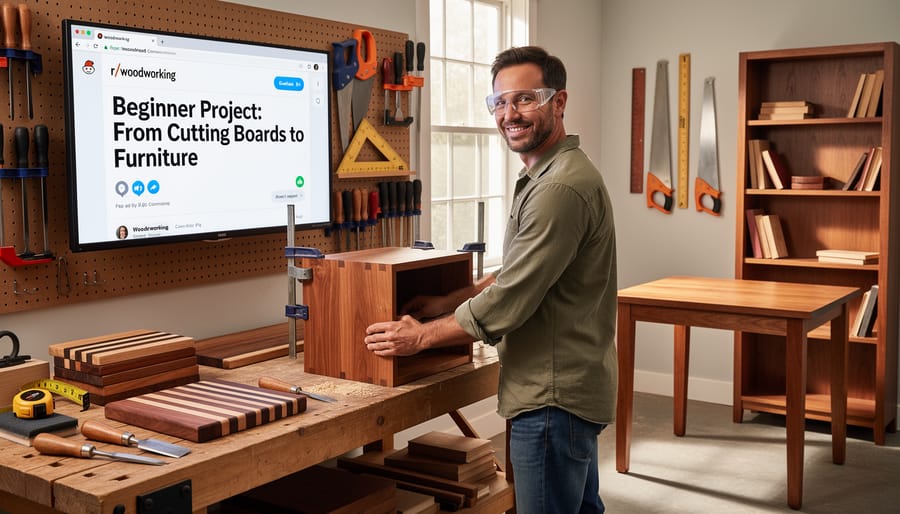
Where Reddit Falls Short (And Why You Still Need Structured Learning)
Reddit’s woodworking communities are absolutely wonderful resources, but let’s be honest about where they come up short. Understanding these limitations isn’t about criticizing the platform—it’s about helping you learn smarter and stay safe on your creative journey.
The biggest challenge? Information on Reddit is wonderfully chaotic but frustratingly scattered. You might find an amazing tip about router techniques on Monday, then stumble across conflicting advice about the same technique on Thursday. There’s no progressive curriculum guiding you from your first cut to your first finished project. Instead, you’re piecing together knowledge like a puzzle where someone mixed three different boxes together.
This scattered approach can leave you stuck in what I call “perpetual browsing mode.” You spend hours reading threads, bookmarking posts, and feeling like you’re learning—but when you actually stand in front of your workbench, you’re unsure where to begin. The journey from novice to skilled artisan needs structure, and Reddit simply wasn’t designed to provide that roadmap.
Safety gaps are another serious concern. While many experienced woodworkers share excellent safety advice, it often comes buried in comment threads or appears inconsistently. A beginner might miss crucial information about proper blade guards, dust collection, or safe feeding techniques. These aren’t just details—they’re the difference between a rewarding hobby and a trip to the emergency room.
Perhaps most overwhelming is the sheer volume of conflicting opinions. Ask ten woodworkers about finishing techniques, and you’ll get twelve different answers. For experienced craftspeople, this diversity is enriching. For beginners, it’s paralyzing. Should you use polyurethane or tung oil? Is pine acceptable or should you splurge on hardwood? Without foundational knowledge, making these decisions feels impossible.
That’s why combining Reddit’s community support with structured learning creates the perfect balance—you get inspiration and encouragement alongside the systematic skill-building that transforms beginners into confident woodworkers.
The Perfect Learning Combo: Reddit + Beginner Woodworking Courses

Start With Foundation: What Courses Give You That Reddit Can’t
Here’s the truth that might save you from a trip to the emergency room: Reddit’s amazing community wisdom works best when you already understand the basics. Think of it this way—when someone on Reddit mentions “ripping with the grain” or demonstrates proper push stick technique, that advice lands differently when you’ve already learned fundamental safety protocols through a structured course.
Beginner woodworking courses give you something Reddit threads can’t replicate: a systematic progression from “I’ve never held a chisel” to “I just built my first bookshelf!” You’ll learn how to set up your workspace safely, understand which tools to buy first (saving you from expensive mistakes), and master essential techniques in the right order. It’s like learning to read music before joining a jam session—you’ll get so much more from the experience.
The beautiful part? Courses create muscle memory through guided practice. You’re not just reading about how to sharpen a plane iron; you’re actually doing it with feedback. This foundation transforms how you engage with Reddit later. Instead of feeling overwhelmed by conflicting advice, you’ll recognize quality guidance and ask better questions.
Many woodworkers who’ve made this journey share a similar story: they started with courses to build confidence, then joined Reddit communities where their newfound knowledge helped them contribute meaningfully and grow faster. That combination? That’s where the magic happens.
Then Add Community: How to Use Reddit Without Getting Lost
Ready to jump in? Here’s how to make Reddit work for you without feeling overwhelmed. Start by lurking for a few days—read posts, check out project photos, and notice which contributors give thoughtful answers. This helps you understand the community vibe before posting.
When you’re ready to ask questions, be specific. Instead of “How do I start woodworking?” try “I want to build a simple bookshelf with basic hand tools—what wood should I use and where do I start?” The more context you provide, the better advice you’ll receive.
Here’s something powerful: share your progress, even when it’s imperfect. Post that wobbly first cutting board! You’ll find the community incredibly supportive, and documenting your journey helps others who are right where you are now. These transformation stories from nervous beginner to confident maker happen every day on Reddit.
Filter advice wisely. If three experienced woodworkers suggest the same approach, that’s worth noting. If someone recommends buying expensive tools right away, pause and ask follow-up questions.
Avoid the comparison trap. Scrolling through stunning projects can feel discouraging, but remember—everyone started somewhere. That master woodworker posting flawless dovetails? They once struggled with their first cut too.
Stay positive, ask freely, and celebrate small wins. The Reddit woodworking community genuinely wants you to succeed.
Your First Week Action Plan: Getting Started the Smart Way
Ready to dive in? Let’s map out your exciting first week in woodworking with a plan that builds both skills and confidence from day one.
Start your Monday by choosing and enrolling in a beginner woodworking course that offers structured lessons. Spend an hour exploring the curriculum and watching the introductory videos. This gives you a solid foundation to understand basic terminology and safety practices. That same evening, create your Reddit account and subscribe to r/BeginnerWoodWorking and r/woodworking. Don’t worry about posting yet, just scroll through and soak in the community vibe.
Tuesday and Wednesday are for observation and list-making. As you continue your course lessons for about an hour each day, spend another 20 minutes on Reddit looking at beginner projects that inspire you. Screenshot or save posts that show simple builds like cutting boards, small boxes, or wall shelves. Notice how welcoming the community is when people ask questions. Start a simple list of tools you’ll need for your first project, keeping it minimal.
Thursday is your breakthrough day. Post your first question on Reddit introducing yourself and asking for advice on your chosen first project. The responses you receive will be genuinely encouraging and you’ll start feeling like part of the community. Continue your course work, focusing on the lessons relevant to your planned build.
Friday through Sunday, apply what you’ve learned by starting your first simple project. Document your progress with photos and share your journey on Reddit. Celebrate each small victory, whether it’s your first clean cut or successfully sanding a surface smooth. This combination of structured learning and community support creates unstoppable momentum.
You’re standing at an incredibly exciting threshold right now. The Reddit woodworking communities you’ve discovered offer something genuinely special—thousands of encouraging voices, real-time feedback, and inspiration flowing daily from people who absolutely understand your journey. When you combine that community energy with structured learning from quality beginner courses, you’re creating the perfect environment for transformation. You get the warmth and wisdom of fellow woodworkers alongside step-by-step guidance that builds your skills methodically.
Here’s the beautiful truth: every master woodworker whose projects make you gasp started exactly where you are today. They felt the same uncertainty, asked the same questions, and made plenty of mistakes along the way. The difference? They took that first step. They joined the conversation, picked up their tools, and started creating.
Your journey begins today. Dive into those Reddit communities, introduce yourself, ask questions without hesitation, and consider pairing that support with a beginner course that speaks to you. The woodworking community is waiting to welcome you, and your first project is waiting to be built. You’ve got this.