
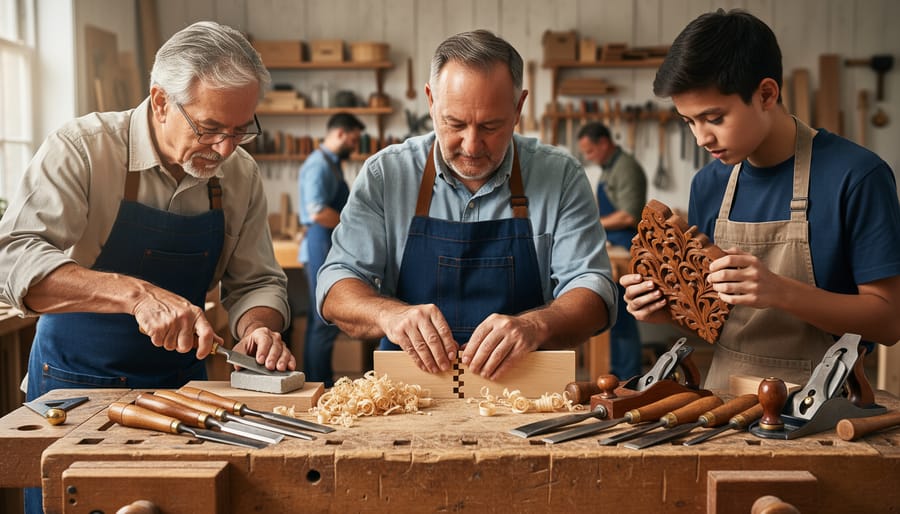
A d artisan is someone who develops their craft skills primarily through collaborative learning and shared knowledge with other makers, rather than through formal training or solitary practice. The “d” stands for “developmental,” reflecting the continuous, community-driven growth that defines this path in woodworking and other traditional crafts.
This approach to skill-building has transformed how people enter and advance in carpentry. Instead of waiting years to apprentice under a single master or investing in expensive courses, d artisans connect with peers at various skill levels, exchange techniques in real time, and accelerate their learning through group problem-solving. The method works because it mirrors how humans have always learned best: by watching, doing, failing, and adjusting alongside others who understand the struggle.
What makes the d artisan path particularly powerful in 2026 is how it breaks down the traditional gatekeeping in craft education. You don’t need perfect tools, a fully-equipped shop, or years of experience to start contributing and learning. A beginner who just figured out how to sharpen a chisel properly can share that breakthrough with someone still struggling, while simultaneously learning dovetail techniques from a hobbyist who’s been cutting joints for two years.
This article will show you exactly what defines a d artisan, how collaborative learning actually accelerates your woodworking skills, the different paths you can take within this community-focused approach, and practical steps to connect with other makers who’ll help you grow faster than you ever could alone.
What D Artisans Really Means in the Woodworking World
D artisans, developing artisans, are woodworkers who’ve moved past fumbling with basic cuts and are actively refining their technique, expanding their repertoire, and building genuine skill. You’re no longer following step-by-step tutorials blindly; you understand why a mortise-and-tenon joint works, when to choose dovetails over box joints, and how wood movement affects your designs. This stage sits squarely between casual hobbyist and seasoned professional, defined less by how many years you’ve been working and more by your commitment to deliberate improvement.
The d artisan identity captures that transitional phase where you’re tackling increasingly complex projects, seeking honest feedback from other makers, and pushing beyond your comfort zone with each piece. You might still reference plans, but you’re adapting them based on your growing understanding of materials and joinery. Your workshop mistakes become learning opportunities rather than frustrations, and you start recognizing quality craftsmanship in others’ work because you’ve wrestled with those same challenges yourself.
Understanding traditional craft terminology helps frame this development path:
- Apprentice
- A beginner learning fundamental skills under guidance, focused on mastering basic techniques and tool handling through repetition and direct instruction.
- Journeyman
- A competent craftsperson who has completed apprenticeship and works independently, continuing to build experience and refine skills across diverse projects.
- Master Craftsperson
- An expert who has achieved exceptional skill through years of dedicated practice, often teaching others and creating work that demonstrates both technical mastery and artistic vision.
- Collaborative Maker
- A craftsperson who actively engages with communities to share knowledge, troubleshoot problems together, and elevate collective skills through partnership rather than isolation.
What sets developing artisans apart is the embrace of continuous learning as core identity. You’re not waiting to reach some mythical endpoint before calling yourself a real woodworker, you recognize that growth itself is the practice, and every project teaches you something that informs the next one.
How the D Artisan Journey Works
The Role of Community in Skill Development
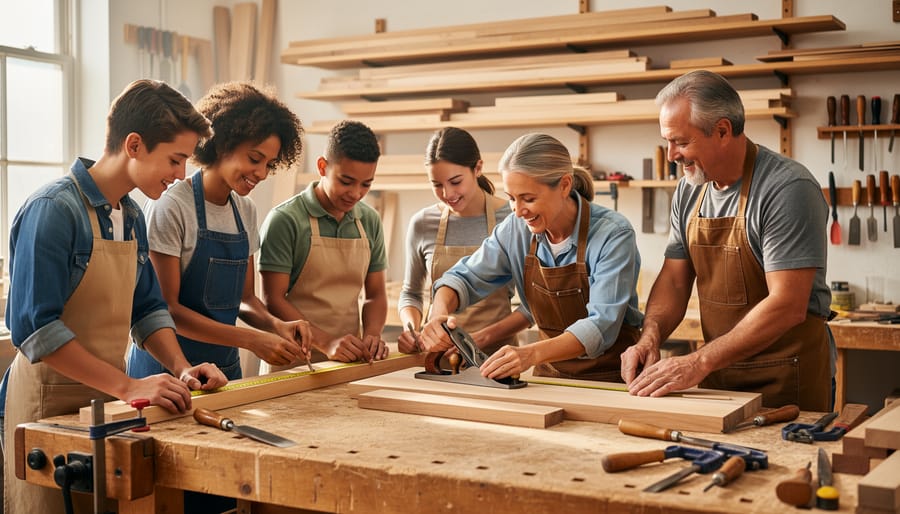
When you share a dovetail joint that didn’t quite close or a finish that blotched, something remarkable happens. Fellow woodworkers jump in with fixes you hadn’t considered, and suddenly that frustrating mistake becomes a teaching moment for everyone watching. Community feedback transforms isolated struggles into collective wisdom, you learn faster because you’re drawing on dozens of people’s experiences instead of just your own trial and error.
Collaborative learning benefits extend beyond troubleshooting. When developing artisans gather for group builds or skill-sharing sessions, they naturally adopt better techniques by watching others work. You might spend months figuring out optimal chisel angles alone, but ten minutes observing an experienced maker shows you what years of solo practice might miss. Artisan co-ops formalize this exchange, creating structured environments where skill transfer happens organically through shared workspace and ongoing dialogue.
The inspiration factor matters just as much as the technical help. Seeing someone else’s breakthrough with steam-bending or their creative solution to a design challenge sparks ideas you wouldn’t generate working in isolation. Your skills compound faster when you’re both teacher and student within the same community.
From Solo Practice to Collaborative Creation
Working alone in your workshop teaches fundamentals, but something shifts when you start creating with others. Most developing artisans begin their journey in isolation, following tutorials, making mistakes privately, and solving problems through trial and error. This solo phase builds confidence, yet it also limits how quickly you can grow.
The transition happens when you share an unfinished project for feedback, join a skill-swap session, or tackle a collaborative build. Suddenly you’re seeing how another woodworker approaches dovetails differently, or learning a finishing technique that took someone years to perfect. Group projects reveal efficient workflows you’d never discover alone.
Community challenges push this further. When multiple artisans build variations on the same design, say, a simple side table, you witness dozens of problem-solving approaches simultaneously. One maker’s creative jig solution becomes everyone’s new method. Another’s mistake becomes a learning moment for all.
This collaborative energy doesn’t replace solo practice; it amplifies what you’ve built. You bring your individual skills to the group, contribute your unique perspective, and return to your workshop with expanded capabilities. The community elevates your craft while you help lift others.
Different Types of D Artisan Paths
Traditional Skill Builders
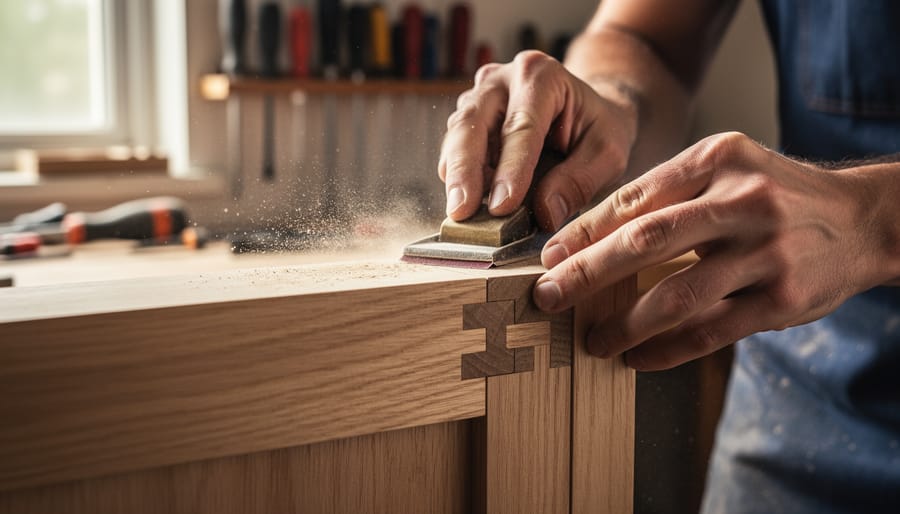
Some d artisans find their calling in preserving and mastering the foundational techniques that have shaped woodworking for centuries. These traditional skill builders dedicate themselves to perfecting dovetail joints, understanding the nuances of hand planes, and recreating classic furniture designs that have stood the test of time.
What sets this path apart isn’t nostalgia, it’s the deep understanding that comes from working wood the way generations before did. Learning to sharpen chisels properly, reading grain direction, and achieving tight joinery without power tools builds an intimate knowledge of the material itself. These craftspeople often start with simple projects like cutting boards or small boxes, gradually progressing to complex pieces like Morris chairs or Shaker tables.
The collaborative aspect shines here: experienced woodworkers share techniques that can’t be fully captured in videos, like the feel of a properly set hand plane or the sound a sharp saw makes.
Innovative Makers
Innovative makers bring fresh perspectives to time-tested techniques, creating pieces that honor woodworking traditions while addressing contemporary needs. These d artisans experiment with reclaimed materials, integrate eco-friendly finishes, and design furniture that fits modern living spaces without sacrificing structural integrity. They might combine hand-cut dovetails with CNC-assisted templates, or apply traditional joinery methods to minimalist designs that appeal to current aesthetics. This approach attracts craftspeople who see sustainability and innovation as natural extensions of woodworking’s core values. By sharing their hybrid methods within collaborative networks, these makers help the community evolve while preserving the craftsmanship that defines quality work.
How D Artisans Apply Their Growing Skills

Developing artisans put their growing skills to work in three interconnected ways that build both personal satisfaction and community strength. The journey often starts with small DIY projects for home use, cutting boards, shelves, simple furniture pieces that solve real problems while building confidence. These functional creations serve as testing grounds where mistakes teach valuable lessons without high stakes.
As skills progress, many d artisans discover that teaching others accelerates their own learning. They lead beginner workshops, create tutorial videos, or mentor newcomers through tricky techniques. Explaining how to cut a proper mortise or finish a tabletop forces you to understand the why behind each step, not just the how. This knowledge sharing strengthens the entire maker community while cementing your own expertise.
The transition from hobbyist to emerging professional happens naturally through maker markets and craft fairs. Selling your work provides honest feedback, what people actually want versus what you thought they’d want. Some d artisans partner with artisanal brands for collaborative collections or take on custom commissions that push their abilities.
Sustainable practices become central as developing artisans mature. They source reclaimed wood, minimize waste through careful planning, and repair rather than replace. These craftspeople often document their process publicly, sharing both successes and failures so others can learn from their experience. A growing number contribute to community workshops, tool libraries, and skills exchanges where everyone’s knowledge lifts the collective capability of the local maker scene.
Building Your Identity as a Developing Artisan
Building your identity as a developing artisan starts with committing to consistent practice and active participation in the maker community. You don’t need to wait until you’re “good enough”, embracing the d artisan mindset means showing up as a learner who contributes while growing.
Start by taking these practical steps to integrate yourself into collaborative woodworking communities:
- Enroll in structured courses that match your current skill level and interests, whether virtual or in-person
- Join online forums and social media groups where woodworkers share projects, solve problems together, and offer encouragement
- Attend hands-on workshops in your area to learn techniques directly from experienced makers
- Share your projects, even the imperfect ones, with photos and honest reflections on what you learned
- Ask questions fearlessly, knowing that every experienced craftsperson started exactly where you are
- Mentor newcomers when you’re ready, which reinforces your own learning and strengthens the community
Document your progress through photos, notes, or a simple project journal. This record becomes both your personal motivation and a resource you can share with others facing similar challenges. When you post a project, include what went wrong alongside what worked, this transparency is what makes collaborative learning powerful.
Seek out collab partners who challenge you to try new techniques or tackle projects slightly beyond your current comfort zone. The combination of structured learning, community connection, and authentic sharing transforms isolated practice into accelerated growth. Your unique perspective as a developing artisan, seeing techniques with fresh eyes, asking the questions experienced makers forgot they once had, adds real value to every conversation and collaboration you join.
Common Questions About Becoming a D Artisan
The shift from tentative beginner to confident developing artisan raises practical questions. Here’s what makers commonly wonder about this journey.
How long does it take to become a d artisan?
Most woodworkers begin identifying as developing artisans after 6-12 months of consistent practice, though the timeline varies with your dedication and learning approach. You’re not chasing a finish line, you’re building a sustainable practice.
Do I need expensive tools to start?
No. Many d artisans begin with basic hand tools and build their collection gradually as skills develop. Community workshops often provide access to larger equipment until you’re ready to invest.
How do I find collaboration opportunities?
Look for local makerspaces, woodworking guilds, and online communities focused on skill-sharing. Many experienced makers welcome collaboration with developing artisans who bring fresh energy and questions.
When am I ready to teach others?
Once you can complete a project confidently and explain your process clearly, you have something valuable to share. Teaching beginners actually strengthens your own understanding while contributing to the community.
The transition markers aren’t about reaching perfection. You know you’re becoming a d artisan when you stop asking “Can I do this?” and start asking “How can I do this better?” That shift in mindset matters more than any single project or technique you master.
Your path as a developing artisan isn’t defined by a single project or achievement. It’s built through every saw stroke you practice, every technique you try, and every moment you share knowledge with another maker. The transformation happens gradually, in workshop conversations and late-night sanding sessions, through mistakes that teach you as much as successes.
What makes this journey remarkable isn’t just the skills you’ll gain. It’s the community you’ll become part of, craftspeople who celebrate your first dovetail joint, troubleshoot your finishing problems, and inspire you with their own evolving work. This network of makers, all at different stages but equally committed to growth, creates something larger than any individual workshop.
Your next step is simple: choose one small action. Sign up for that course you’ve bookmarked. Attend a local woodworking meetup. Share photos of your current project, however imperfect it feels. Each step connects you deeper into a community that values learning over perfection and collaboration over competition.
Welcome to a craft tradition that’s both ancient and constantly renewing, and welcome to the makers who’ll be right there building alongside you.